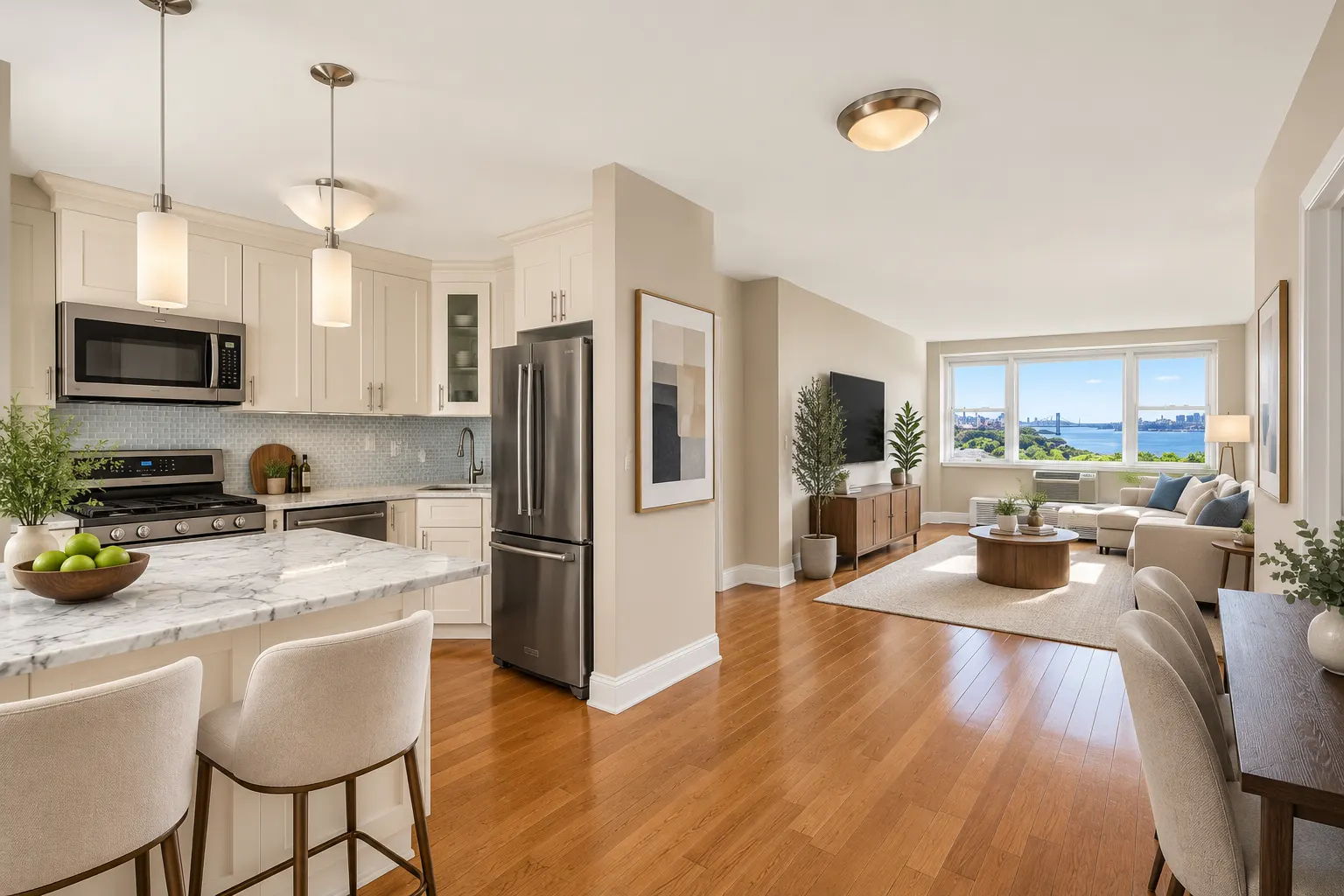

A co-op board package is the application a buyer submits to the building's board for approval, and in Riverdale it is where most failed co-op sales actually fail. About 73% of Riverdale's housing stock is co-ops, so almost every seller here goes through this process. Board approval typically adds 30 to 60 days between contract and closing, which is why a co-op sale in Riverdale usually takes 90 to 150 days from listing to closing.
The good news for sellers is that the board stage is predictable when it is prepared for. Here is how it works and what you can do before you list.
What the board package includes
Each building sets its own requirements through its managing agent, but a typical Riverdale board package includes:
- The building's purchase application and the signed contract of sale
- The buyer's federal tax returns, usually for the past two years
- Bank, brokerage and retirement account statements
- Employment verification and recent pay stubs
- A personal financial statement showing assets, liabilities and income
- Personal and professional reference letters
- Authorization for a credit check
- If the buyer is financing, the lender's commitment letter
Most buildings also set financial requirements, such as a maximum debt-to-income ratio, a minimum down payment, and post-closing liquidity, meaning the cash a buyer must still have after closing. These rules are where qualified-looking buyers get turned down.
Why deals fall apart at the board, not the offer
The common belief is that the hard part of selling a co-op is finding a buyer. In practice, the hard part is finding a buyer the board will approve. An offer at full price from a buyer who does not meet the building's liquidity or debt-to-income requirements is weaker than a slightly lower offer from a buyer who clearly does.
That is why I review every buyer's finances against the building's requirements before recommending an offer, and again before the package goes to the managing agent. An incomplete or sloppy package can delay a board meeting by weeks. A clean, complete package with a well-qualified buyer is usually a formality.
Boards must follow federal, state and New York City fair housing laws. They may evaluate a buyer's finances, but they may not decline anyone on the basis of a protected characteristic.
What this means for sellers in Riverdale
Riverdale buyers take their time. According to Redfin, Riverdale homes took a median of 82 days to sell in September 2026, up from 76 a year earlier, and the median sale price was about $383,000. When the market moves at that pace, a deal that falls through at the board can cost a seller months.
In my experience working with sellers in Riverdale, the sellers who close on schedule are the ones who treat the board package as part of the listing, not something that starts after the contract. They know the building's requirements before the first showing, and they choose the buyer accordingly.
How to prepare before you list
- Request the building's package requirements now. Ask your managing agent for the current application, the financial requirements and the fee schedule.
- Gather the building's documents. Recent financial statements, the offering plan or house rules, the flip tax policy and any planned assessments. Buyers' attorneys will ask for them during due diligence.
- Know your flip tax. Many Riverdale co-ops charge 1% to 3% of the sale price. It belongs in your net estimate from day one.
- Fix the small things the board interview can't. A clean, well-presented apartment attracts the stronger, better-qualified buyers who sail through approval.
- Choose an agent who reviews buyer financials. It is the single most effective way to protect your sale from a late rejection.
If you are thinking about selling a Riverdale co-op in the next year, I am glad to review your building's requirements with you and put together a pricing strategy and timeline. You can also see your estimated proceeds with the net proceeds calculator.
Sources: Redfin, Riverdale housing market, September 2026. Riverdale housing stock and timeline figures from Rafael Barbosa's MLS analysis. General information only, not legal advice.
Frequently asked questions
How long does co-op board approval take in Riverdale?
Board approval typically adds 30 to 60 days between contract and closing in Riverdale, depending on the building, how complete the buyer's package is, and how often the board meets. Total time from listing to closing for a co-op is usually 90 to 150 days.
What is included in a co-op board package?
A board package usually includes the purchase application, the contract of sale, the buyer's tax returns, bank and brokerage statements, employment and income verification, a financial statement, reference letters, a credit report authorization and, if financed, the loan commitment letter. Each building sets its own list.
Can a co-op board reject a buyer in NYC?
Yes. Co-op boards can decline a buyer, typically for financial reasons such as insufficient liquidity or a high debt-to-income ratio. Boards must follow fair housing laws and cannot reject a buyer on the basis of any protected characteristic.
What can a seller do to help a co-op sale get approved?
Price the apartment correctly, gather the building's documents before listing, and work with an agent who reviews each buyer's finances against the building's requirements before accepting an offer and before the package goes to the board.

Rafael Barbosa is a Licensed Real Estate Salesperson with Compass with 14+ years of experience and 500+ closed transactions in Riverdale, East Harlem, Yonkers, Colonial Heights, Tuckahoe and Bronxville, with deep experience guiding sellers through the co-op board process. He works in English and Spanish. Reach him at 914-430-0440 or rafael@compass.com.